

Simple Fixes for Loose Edges, Gaps, Bad Cuts, and Worn Stair Trim
Most staircase trimming problems come from movement, bad measurements, weak fastening, or normal wear. The good news is that many issues have clear signs and simple fixes. If your stair trim looks uneven, feels loose, shows gaps, or keeps cracking, the first step is to spot the symptom and match it to the cause. In Little Egg Harbor Township, NJ, this helps homeowners decide if a small repair is enough or if a full trim replacement makes more sense.
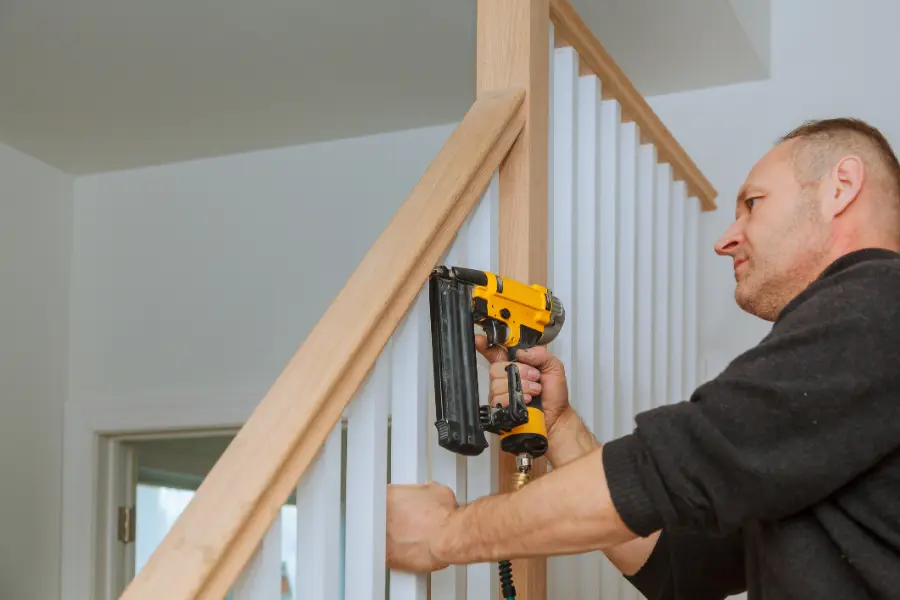
Quick Diagnosis Summary
staircase trimming can fail in a few common ways. You may see trim pulling away from the stair skirt, stair nose pieces coming loose, corners opening up, or paint cracking along joints. Some problems are only cosmetic. Others can create a trip risk. A fast check of the trim’s fit, fasteners, and condition will often point to the right fix.
Common Symptoms
The signs of trim trouble are usually easy to spot. You might notice a sharp edge, a soft spot underfoot, or trim that shifts when touched. Sometimes the issue is visual, like crooked lines or uneven corners. Other times it is more serious, like a loose stair nose on a busy staircase.
- gaps between trim and wall
- loose or rattling trim pieces
- trim that looks uneven or misaligned
- cracked joints at corners
- split wood near nails
- paint or caulk lines breaking open
- worn stair nose edges
These problems can show up on old stairs or right after new work. Fresh installation issues often point to poor cutting or fastening. Older damage often comes from foot traffic, settling, or moisture changes.
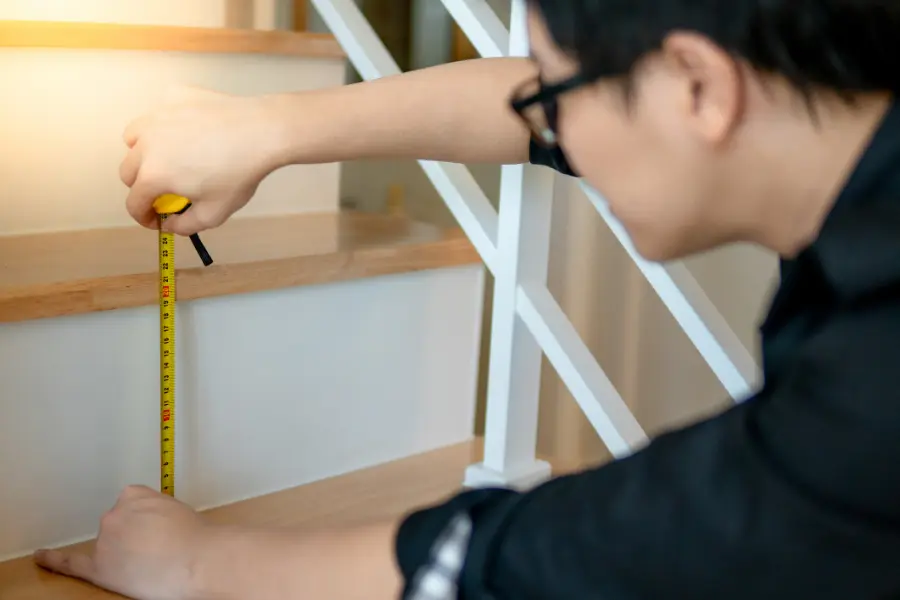
Likely Causes
Most staircase trimming issues start with movement or poor fit. Stairs get used every day. That steady impact can loosen nails and stress joints. Wood also expands and shrinks as indoor moisture levels change. If the trim was cut too short, installed over an uneven surface, or attached with the wrong fastener, those weak spots tend to show fast.
Here are a few likely causes behind the most common trim problems:
- bad measurements that leave visible gaps
- crooked cuts that make corners fail to meet cleanly
- not enough adhesive or poor nail placement
- wood movement from humidity swings
- wear from heavy foot traffic
- settling in the stair frame or nearby wall
- low-quality materials in the service category keyword
Even a small error at the start can spread across the full stair run. One bad angle cut can throw off every trim piece after it.
What to Check First
Before making repairs, check whether the problem is only on the surface or tied to the stair structure. Press gently on the trim. See if it moves. Look for nail pops, missing caulk, split ends, or gaps at joints. Then inspect the stair itself. If the step flexes, squeaks hard, or feels weak, the trim may not be the main issue.
- look for loose sections by hand
- check corners and seams for opening joints
- inspect nail heads, adhesive lines, and cracked caulk
- measure any gaps to see if filler will work
- test the stair tread and riser for movement
- look for water stains or swelling in wood trim
This basic check helps avoid patching over a deeper problem. A clean bead of caulk will not help if the trim is pulling loose from a moving stair.
Safe Fixes Vs Pro-Level Fixes
Some staircase trimming repairs are simple and safe. Others need careful cutting, fastening, and finish work. Small gaps can often be filled. Loose trim can sometimes be reset with finish nails and construction adhesive. Paint touch-ups and fresh caulk are also common minor fixes.
Pro-level repairs are best for damaged stair noses, badly miscut trim, or long runs of uneven skirt board. If trim pieces need to be removed without damaging walls or stairs, that takes patience and the right tools. Stain-grade wood is even less forgiving because patch marks show easily.
Safe fixes often include:
- re-caulking fine cracks at seams
- filling small nail holes or tiny gaps
- resetting one loose piece if the wood is still sound
- repainting scuffed trim
Repairs that often need a professional include:
- replacing cracked stair nose trim
- correcting uneven angles across several steps
- installing new stained trim with clean joint lines
- fixing trim after stair settling or frame movement
Prevention Tips
Good prevention starts with proper fit and stable materials. Trim should be measured with care, cut cleanly, and fastened to solid backing. Indoor moisture control also helps wood trim stay stable. Small touch-ups done early can stop a bigger repair later.
Use these habits to help staircase trimming last longer:
- fix loose pieces as soon as you notice them
- keep indoor humidity steady when possible
- avoid dragging heavy objects across stair edges
- repaint or reseal worn trim before wood is exposed
- check high-traffic stairs every few months
- use durable trim materials in busy areas
It also helps to keep the stair area clean and dry. Dirt can wear down painted edges, and repeated moisture can swell wood and open joints.
When It Makes Sense to Get Help
If trim problems keep coming back, there may be more going on than a loose board. Repeated cracking, wide gaps, or movement underfoot can point to stair framing issues or poor past installation. Help also makes sense when the staircase is a main feature in the home and the finish needs to look sharp from every angle.
A professional can match new trim to old profiles, improve the fit, and make repairs look neat. That matters a lot when the stairs sit near the entry or open into a main living space.
Get Clear Answers for Your Stairs
If you are seeing trim gaps, loose edges, or worn stair details in Little Egg Harbor Township, NJ, contact us for guidance. At J. Scott Gardner Construction, we can inspect the problem, explain the next step, and help you decide if a repair or replacement is the better move. Call us at (609) 297-7330 to get started.