
Why Strong Support Keeps Cabinets Safe, Level, and Long-Lasting
Proper support during cabinet installation helps cabinets stay level, hold weight, and avoid damage over time. Without the right support, cabinets can pull away from the wall, sag in the middle, or make doors stop lining up right. This matters in kitchens, bathrooms, laundry rooms, and storage areas. Good support also helps protect walls, countertops, and the items stored inside the cabinets.
What You Need Before Starting
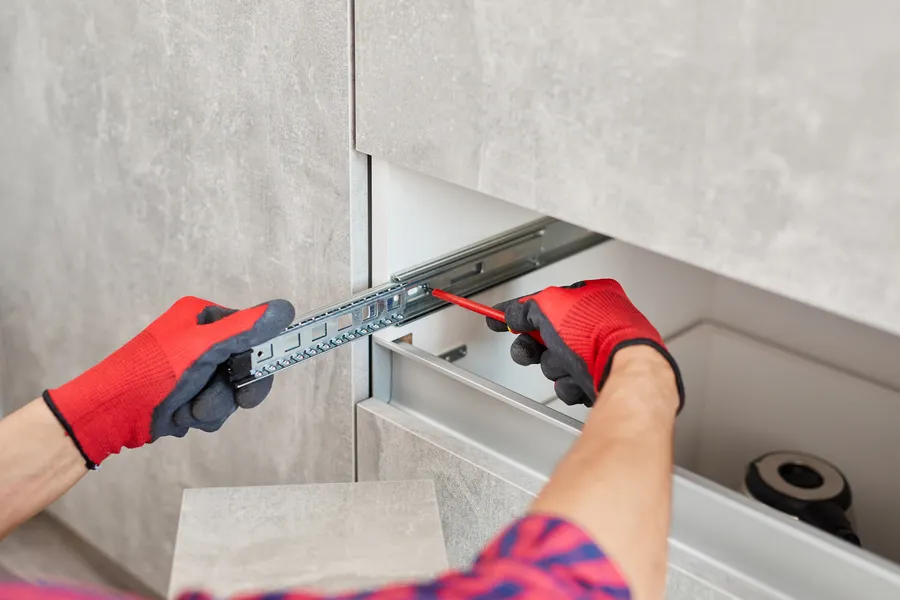
Before any cabinet installation begins, it helps to gather the right tools and check the wall. Solid prep can save time and lower the chance of mistakes. Even a strong cabinet can fail if it is attached to weak backing or an uneven surface. This is true for upper cabinets, base cabinets, and tall pantry units.
Basic prep often includes finding wall studs, checking for level floors, and looking for bowed walls. The service category keyword can also apply here if the work is part of a bigger room update. When cabinets are one part of a larger job, support details should still get close attention.
- Stud finder
- Level
- Measuring tape
- Drill and proper screws
- Shims
- Ledger board for upper cabinet support
- Cabinet screws made for wall mounting
Step-by-Step Process
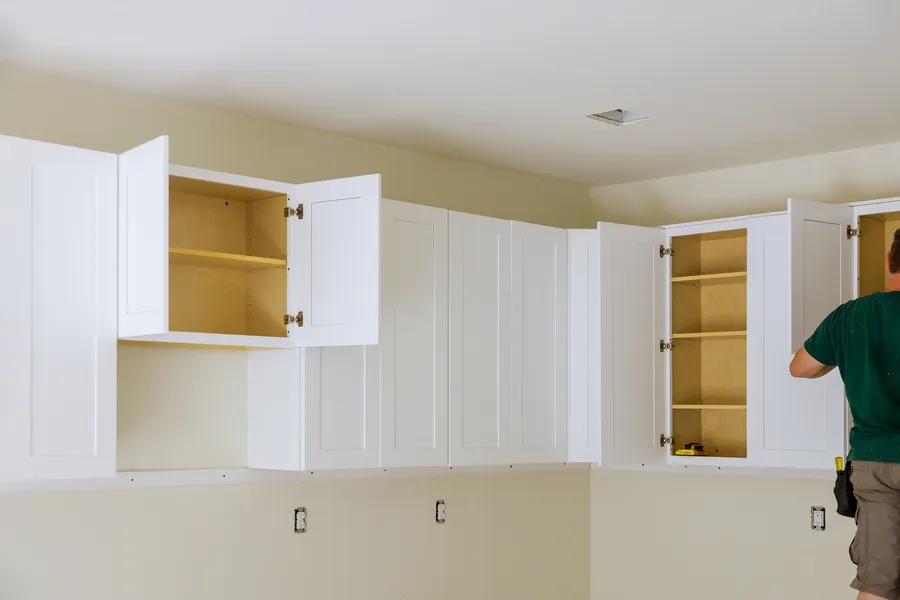
Cabinet support is not just about adding screws. It is about spreading weight the right way and attaching each unit to solid framing. A careful process helps the cabinets stay in place for years.
- Check the wall for studs and mark each stud location.
- Measure the cabinet layout and draw level guide lines.
- Install a temporary ledger board for upper cabinets.
- Lift the first cabinet into place and fasten it into studs.
- Check for level and add shims where needed.
- Attach the next cabinet and clamp units together.
- Screw cabinets to each other and then into wall studs.
- Remove the ledger board after upper units are secure.
- Set base cabinets on a level line and shim low spots.
- Check door alignment and weight support before finishing.
Common Mistakes to Avoid
Many cabinet problems start with small errors during setup. One common mistake is screwing cabinets into drywall only. Drywall cannot hold the weight of loaded cabinets for long. Another mistake is skipping a level check after each unit is placed. If one cabinet is off, the whole run can drift out of line.
Some people also use the wrong screws. Short or weak fasteners can loosen over time. Another issue is ignoring wall gaps. If a wall bows inward or outward, the cabinet may twist unless shims are added. Poor support under heavy areas, like around dish stacks or pantry goods, can also lead to sagging shelves and strain on the cabinet box.
When Poor Support Causes Trouble
Weak cabinet support can show up in a few easy-to-spot ways. Doors may rub or fail to close right. Seams between cabinets may open. Countertops may sit unevenly on base units. In upper cabinet runs, the back edge may begin to pull from the wall. These signs often mean the load is not being carried the right way.
Support matters even more in homes with older framing. Walls may not be straight, and stud spacing may vary. Heavy stone counters, deep pantry cabinets, and wall cabinets filled with dishes all add extra stress. In these cases, strong fastening points and careful shimming are a big part of a safe cabinet installation.
When to Call a Professional
Some cabinet jobs are simple, but others need trained help. Large kitchens, uneven floors, water-damaged walls, and custom layouts can make support much harder. If the wall studs do not line up with the cabinet design, extra planning may be needed. The same goes for very heavy cabinets or units going around windows, soffits, or appliances.
Professional help also makes sense when cabinets must line up with plumbing, electrical boxes, or vent hoods. A trained installer can spot weak backing, fix level issues, and set supports so the finished job looks clean and works well. This can help cut down on repairs later.
Final Recommendation
Strong cabinet support is one of the most important parts of a lasting install. It helps cabinets carry daily weight, stay straight, and keep doors and drawers working well. Rushing this step can lead to costly wall damage, loose cabinets, and early wear. Taking time to fasten units into studs, use shims, and check level at each stage gives better results and a safer finished space.
Get Help With Your Next Project
If you are planning work in Little Egg Harbor Township, NJ, proper cabinet support should be part of the plan from the start. At J. Scott Gardner Construction, we handle cabinet installation with careful wall checks, solid fastening, and clean alignment. Call us at (609) 297-7330 to talk about your project and see if our team is the right fit for the job.