

Why Precise Measurements and Careful Planning Matter so Much
Accuracy matters in carpentry work because small mistakes can turn into big problems fast. A board cut too short, a frame set out of square, or a floor laid unevenly can lead to weak results, wasted money, and extra repair time. In Little Egg Harbor Township, NJ, good planning and exact measurements help projects fit right, last longer, and look clean from the start.

Quick Answer
The importance of accuracy in carpentry work projects comes down to fit, safety, strength, and appearance. When cuts, angles, and spacing are correct, each part works with the next part. Doors open well. Cabinets line up. Deck boards sit flat. Trim meets nicely at corners. Even simple home jobs can go wrong when one early measurement is off.
Accuracy also helps control waste. If a carpenter cuts several pieces based on one bad number, all of those boards may need to be replaced. That slows the job and adds cost. Careful work saves time because it helps avoid rework later.
What You Need Before Starting
Before any carpentry work begins, the basics should be clear. This includes the plan, the exact space size, the materials, and the right tools. Good prep makes the job smoother and helps prevent errors that are hard to fix after building starts. Even in general service work, small setup steps matter.
Helpful items to have ready include a tape measure, level, speed square, pencil, chalk line, saw, and the project drawings if they are available. It also helps to check the room itself. Walls may not be straight. Floors may slope. Older homes often have hidden changes that affect a build.
- Measure the space more than once
- Check for level and square
- Mark cut lines clearly
- Review material sizes before cutting
- Leave room for trim, gaps, and movement
Step-by-Step Process
A simple process helps improve accuracy in carpentry work projects. Skipping steps often leads to crooked lines, poor fit, or weak support.
- Measure the full area and write the numbers down.
- Compare those numbers with the plan or sketch.
- Mark each board carefully before any cut is made.
- Check each mark with a square or level.
- Cut one test piece first if the fit is tricky.
- Dry-fit parts before fastening them in place.
- Make small changes before final nails or screws go in.
- Check alignment again as the job moves forward.
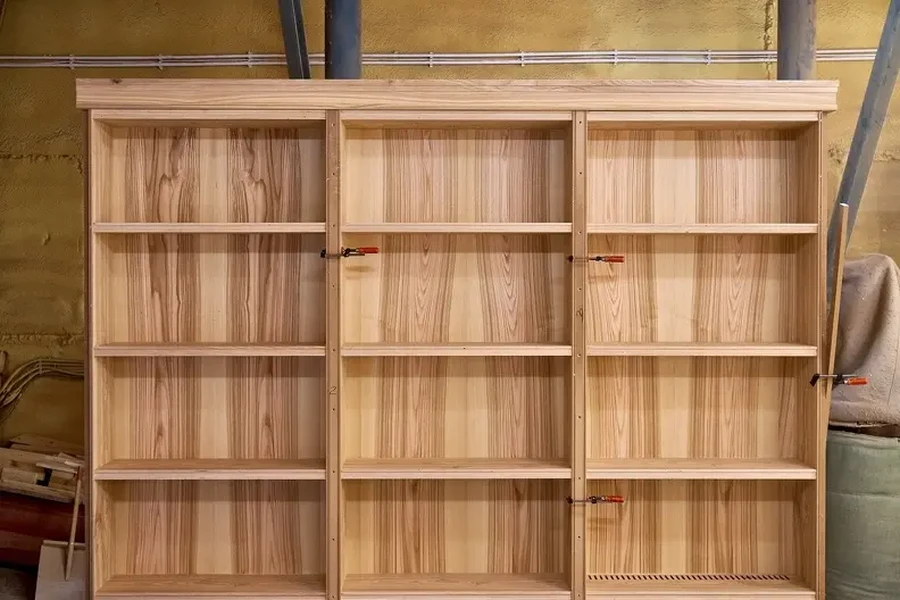
For example, when building shelves, one shelf that is slightly out of level can make the whole unit look off. When installing trim, a tiny angle error can leave a visible gap at the corner. In framing, a wall that starts out uneven can affect drywall, doors, and finish work later.
Common Mistakes to Avoid
One common mistake is trusting an old measurement without checking again. Another is cutting all the boards at once before testing the first piece. People also run into trouble when they measure from an uneven wall or ignore material thickness. These issues can change the final fit more than expected.
Rushing is another big problem. A fast cut may save one minute, but fixing that bad cut may take an hour. Some people also forget that wood can expand and shrink with changes in air and moisture. If parts are installed too tight, they may shift or crack later.
Another mistake is using the wrong tool for the task. A dull blade can splinter wood. A poor level can give false readings. Good tools help, but careful habits matter just as much.
When to Call a Professional
Some jobs need a trained hand from the start. Structural framing, stair building, custom built-ins, and large deck work all depend on exact layout and safe support. If a project connects to load-bearing parts of a home, mistakes can affect more than appearance.
You may also want professional help when materials are costly. Hardwood trim, custom cabinets, and detailed finish carpentry leave little room for error. A skilled crew can spot issues early and make adjustments before those issues spread through the rest of the project.
It also makes sense to get help if the area is uneven, older, or damaged. Homes settle over time. Corners shift. Floors dip. What looks like a simple job can turn into a complex one after the first few measurements.
Final Recommendation
Accurate carpentry work projects start with patience, planning, and repeated checks. Good results are not just about making wood pieces fit. They are about building something safe, strong, and neat that lasts. If you want steady results, take time to measure well, test the fit, and correct small issues early before they become larger ones.
Get Help With Your Project
If you are planning a project in Little Egg Harbor Township, NJ, we can help you make smart choices before the first cut is made. At J. Scott Gardner Construction, we focus on careful layout, clean fit, and solid results. Call us at (609) 297-7330 to talk about your carpentry work needs and set up a good time to get started.